Certifikace kosmetiky: Jak poznat skutečně bezpečný produkt
When you buy cosmetics, you’re not just buying a cream or a serum—you’re putting something on your skin that can enter your body. That’s why certifikace kosmetiky, formální ověření, že produkt splňuje stanovené bezpečnostní a složkové standardy. Also known as ekologická nebo přírodní certifikace, it isn’t just marketing fluff—it’s your shield against hidden toxins like parabens, phthalates, and synthetic fragrances. Most people think ‘natural’ or ‘organic’ on the label means safe. But without proper certification, those words mean nothing. A product can be called ‘natural’ and still contain 90% synthetic chemicals. That’s why you need to look beyond the packaging.
Real certifikace kosmetiky, formální ověření, že produkt splňuje stanovené bezpečnostní a složkové standardy. Also known as ekologická nebo přírodní certifikace, it isn’t just marketing fluff—it’s your shield against hidden toxins like parabens, phthalates, and synthetic fragrances. Most people think ‘natural’ or ‘organic’ on the label means safe. But without proper certification, those words mean nothing. A product can be called ‘natural’ and still contain 90% synthetic chemicals. That’s why you need to look beyond the packaging.
Real non-toxická kosmetika, kosmetika bez škodlivých látek, které mohou rušit hormony, poškozovat kůži nebo způsobovat alergie. Also known as bezpečná kosmetika, it means the product avoids ingredients like SLS, parabens, mineral oils, and formaldehyde-releasing preservatives. These are the same chemicals banned in baby products in the EU—but still allowed in regular skincare. And if a brand doesn’t list its certifications, it’s hiding something. Look for trusted names like Ecocert, COSMOS, BDIH, or NaTrue. These aren’t just stickers—they’re third-party audits that check every ingredient, sourcing, and production method.
Don’t confuse přírodní kosmetika, kosmetika založená na přírodních surovinách, ale bez nutného ověření jejich čistoty nebo účinku. Also known as kosmetika z rostlinných látek, it’s not the same as certified natural. You can have a product made from aloe vera and still contain synthetic fragrances and silicones. Certification ensures the aloe is organic, the packaging is recyclable, and the manufacturing doesn’t harm the environment. It’s not about being ‘green’—it’s about being honest.
And then there’s the issue of bezpečné ingrediencie, složky, které nezatěžují tělo, nezpůsobují alergie a nevstřebávají se do krve. Also known as nebezpečné látky v kosmetice, they’re the ones you should avoid: parabens, sulfates, phthalates, PEGs, and synthetic dyes. These aren’t just ‘maybe bad’—they’re proven to disrupt hormones, irritate skin, and accumulate in your body over time. You don’t need a chemistry degree to spot them. Just learn to read labels. If you can’t pronounce it, don’t put it on your skin.
What you’ll find in the posts below aren’t just tips—they’re real, tested ways to decode labels, spot greenwashing, and pick products that actually match what they claim. No fluff. No jargon. Just clear, practical help so you can stop guessing and start knowing exactly what you’re putting on your body.
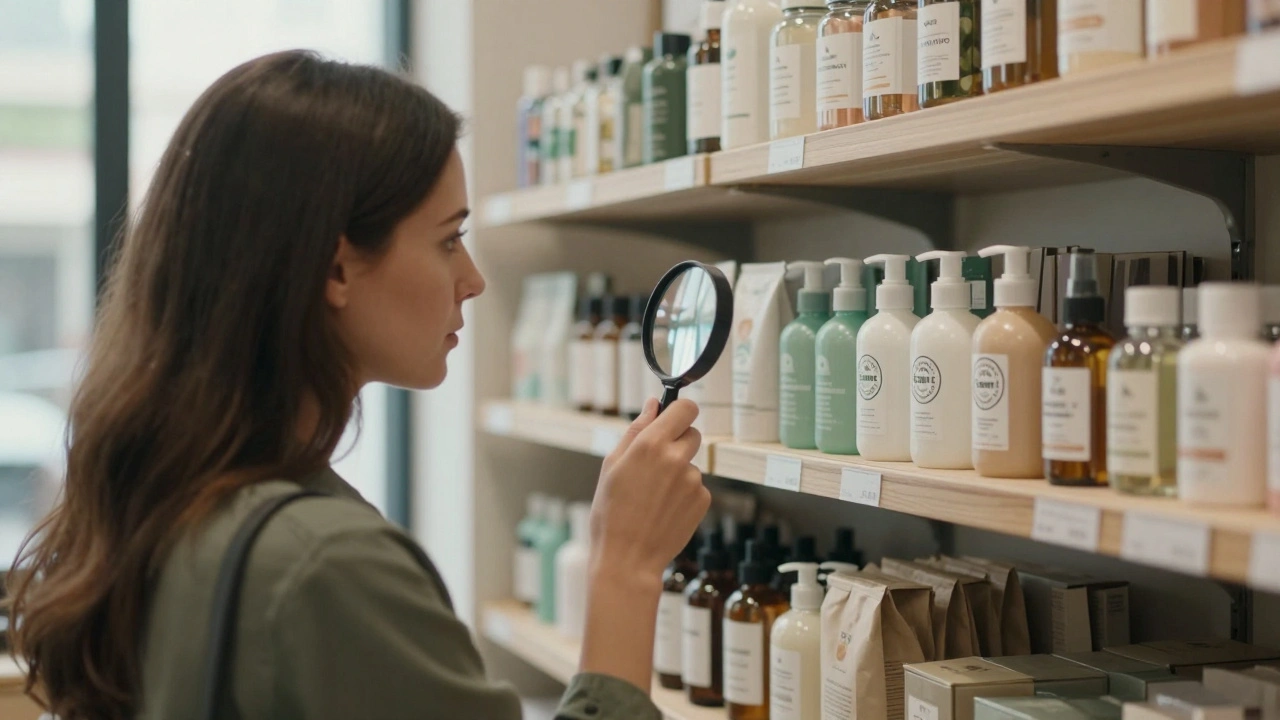
Zjistěte, jak poznat skutečnou bio kosmetiku pro vlasy podle certifikací, složek a obalů. Naučte se vyhledávat pravé přírodní látky a vyhnout se marketingovým klamům.